
Why So Many of Us Have ADHD Now (And What to Actually do about it)
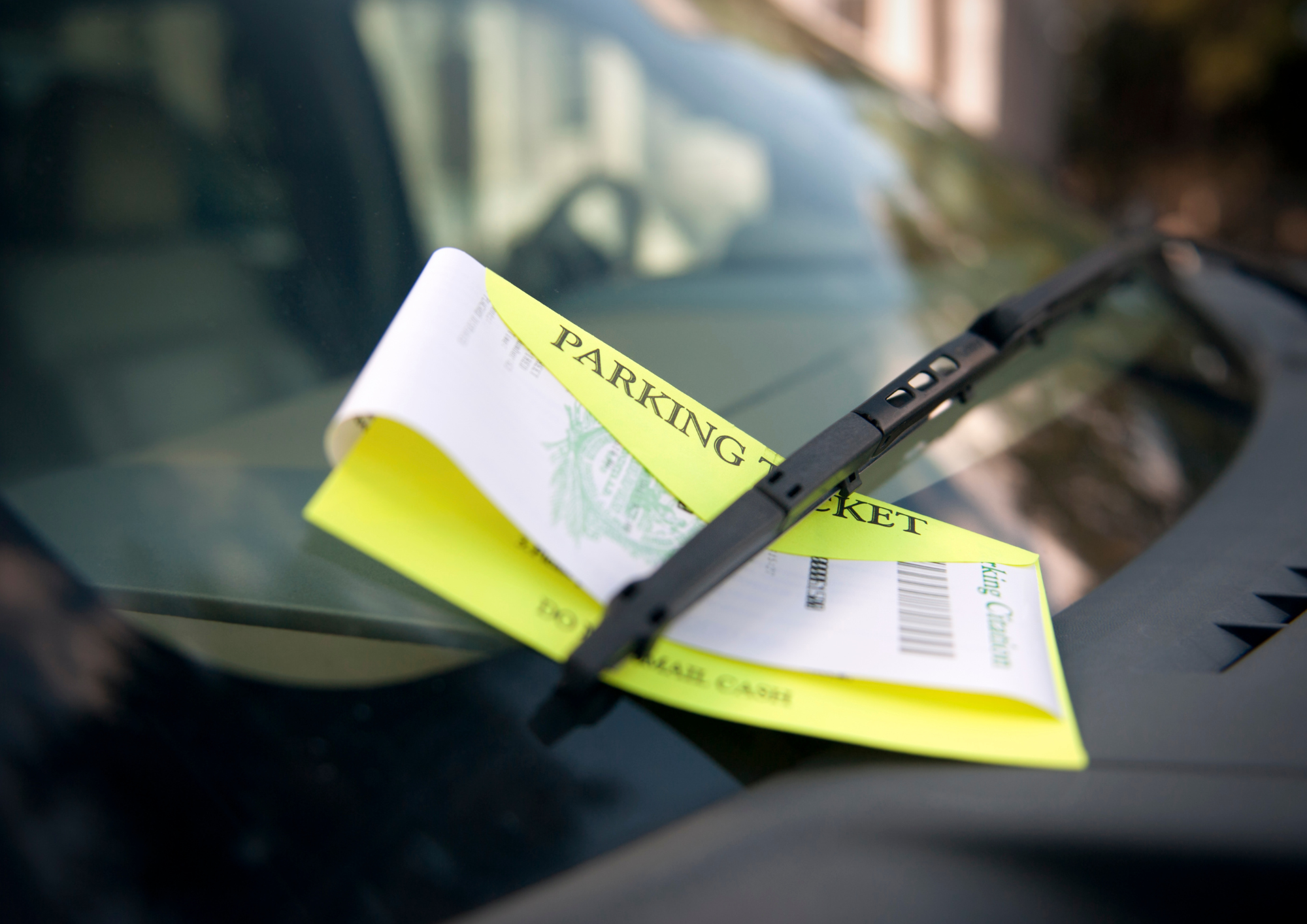
I recently read a news story about a woman who drove to the shops, parked in a 30 minute car park, went inside for a coffee, and walked home. It was a few hours before she remembered she’d driven. When she went back for her car there was a $300 fine on the windscreen. She says that’s just one of the examples of the ‘tax’ she pays for having ADHD.
I read that and felt it immediately because I know that feeling. Things just fall out of my brain sometimes. A bill I fully intended to pay, a course I bought with every intention of finishing. Somewhere along the way, with everything else I am holding, some things just fall out.
The ADHD tax is real, and it costs more than money.
But here’s what I’ve been sitting with since I read that story.
That woman didn’t forget her car because something is fundamentally wrong with her. She forgot her car because her brain was already completely full.
We’ve built a world that short-circuits brains
The rates of ADHD diagnosis have been climbing for decades. We talk about it like we’re getting better at spotting it, and maybe we are. But I think something else is also happening. We’ve created the conditions for it.
Think about what we’re asking a human brain to do in 2026. Manage a career, raise children, maintain a home, stay across finances, keep up with relationships, consume a constant stream of news and content, respond to notifications that arrive every few minutes, and somehow also remember where you parked your car.

Most of us don’t live in stillness. We live in noise. Constant, relentless, deliberately engineered noise designed to capture our attention as often as possible. And then we’re surprised when our attention starts misfiring.
ADHD is real, yes. But I think for a lot of people, we’ve created a lifestyle so overstimulating, so undernourishing, and so relentlessly demanding that the brain eventually starts short-circuiting. And then we get a diagnosis, and we’re told that’s just how we are, and we learn to manage it, and we try harder.
When your brain is already at capacity, a better system or new tools aren’t going to fix the problem, they’re just adding to the load.
I’ve been there
I’ve felt that full-brain feeling more times than I can count. Things just fall out when there’s too much in there, and the instinct is always to try harder, find a better approach, add something new to the mix.
What actually helped wasn’t doing more. It was being honest about how much I was trying to hold, and starting to put things down deliberately rather than waiting until I dropped them.
This isn’t a life sentence
If you’ve been diagnosed with ADHD and you’ve quietly resigned yourself to always paying the tax, always forgetting things, always being the person who loses her car in a car park, I want to offer you a different way of looking at it.
Your brain isn’t failing or doomed. It’s simply responding. And if it’s responding to overload, poor nourishment, and a complete lack of rest, then you have more power here than you’ve been told.
You can’t change your neurology. But you can change the conditions you’re asking your brain to operate in.
The practical stuff, that actually helps, is in part two.